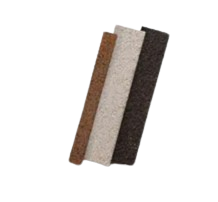
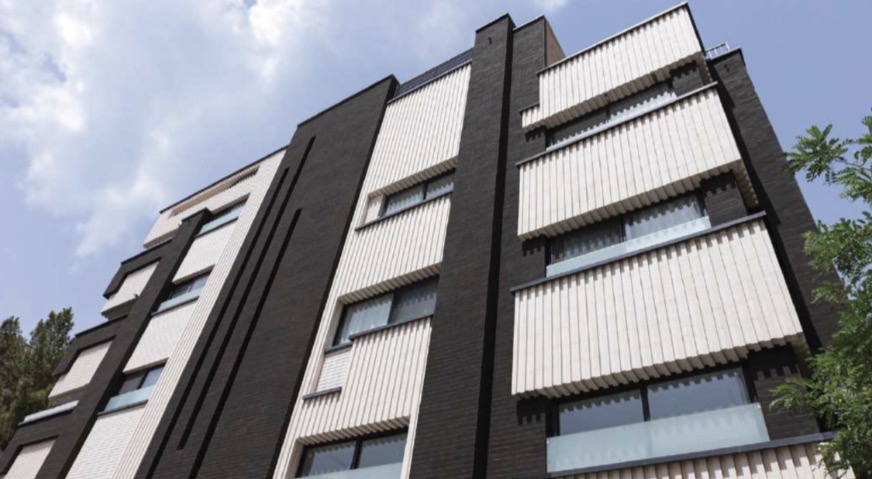
Refractory Facing Brick: A Smart Choice for Building Facades
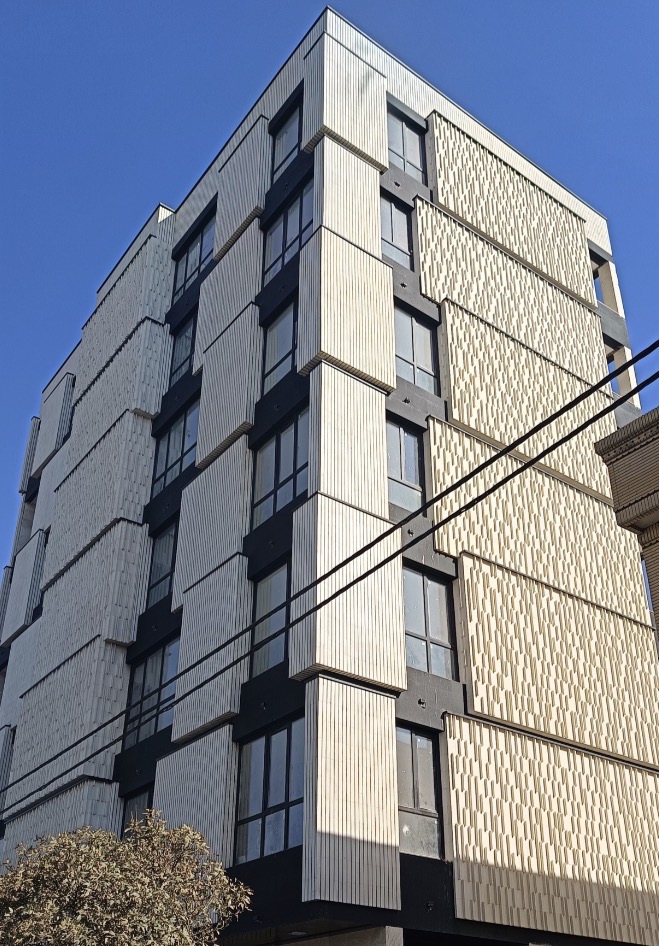
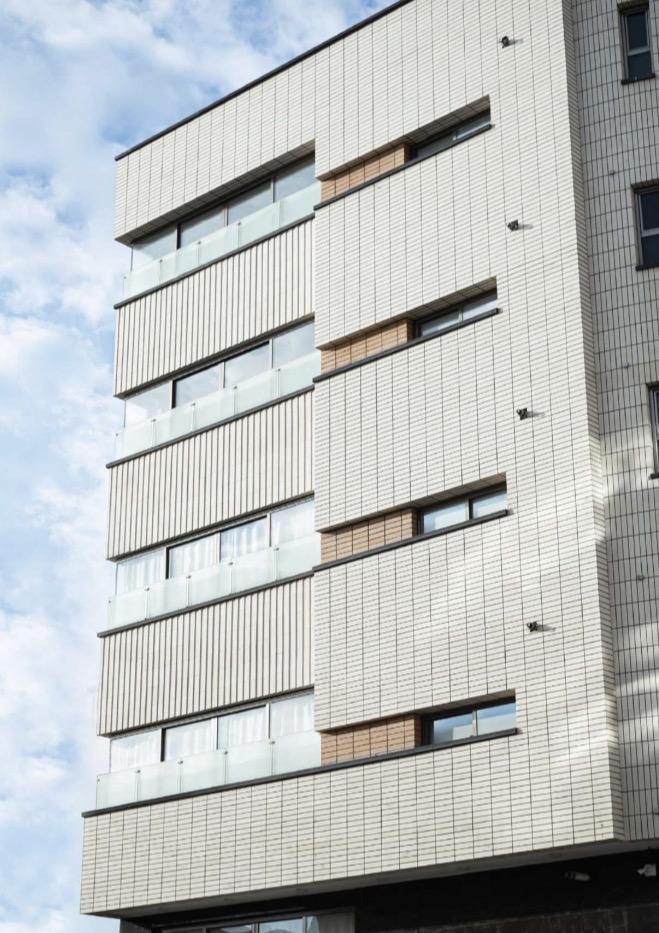
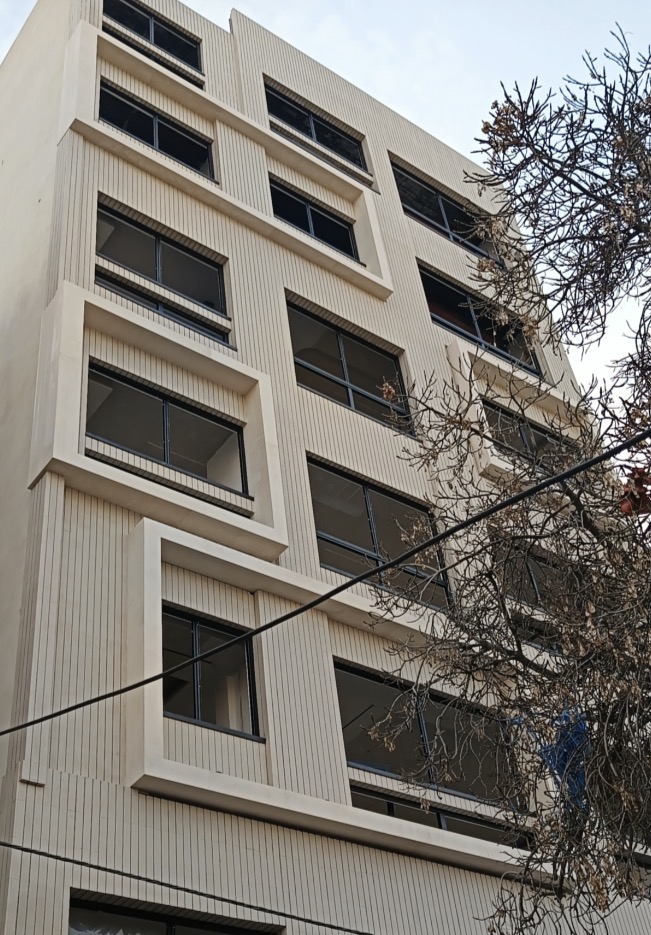
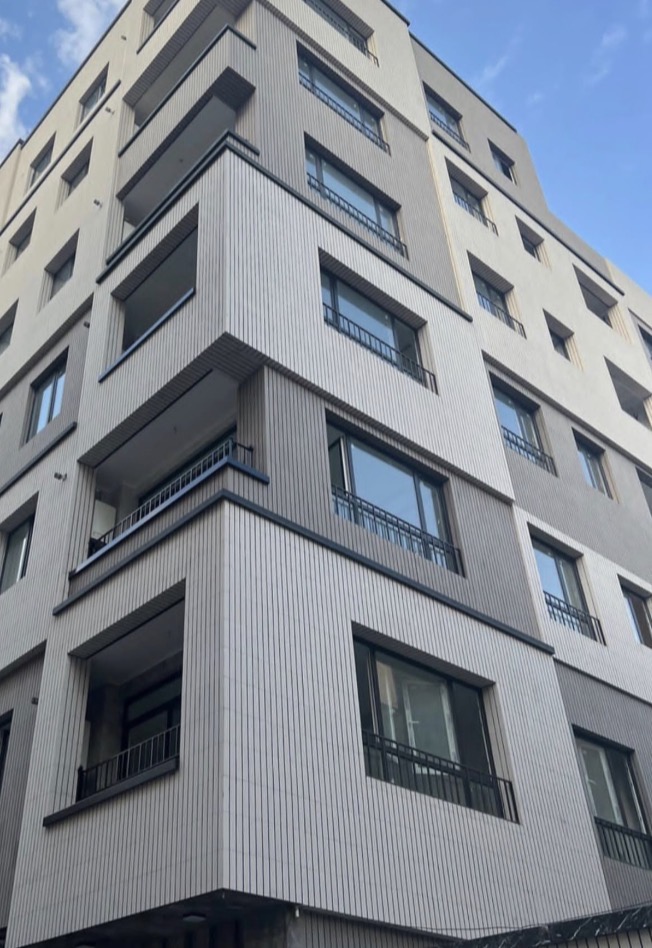
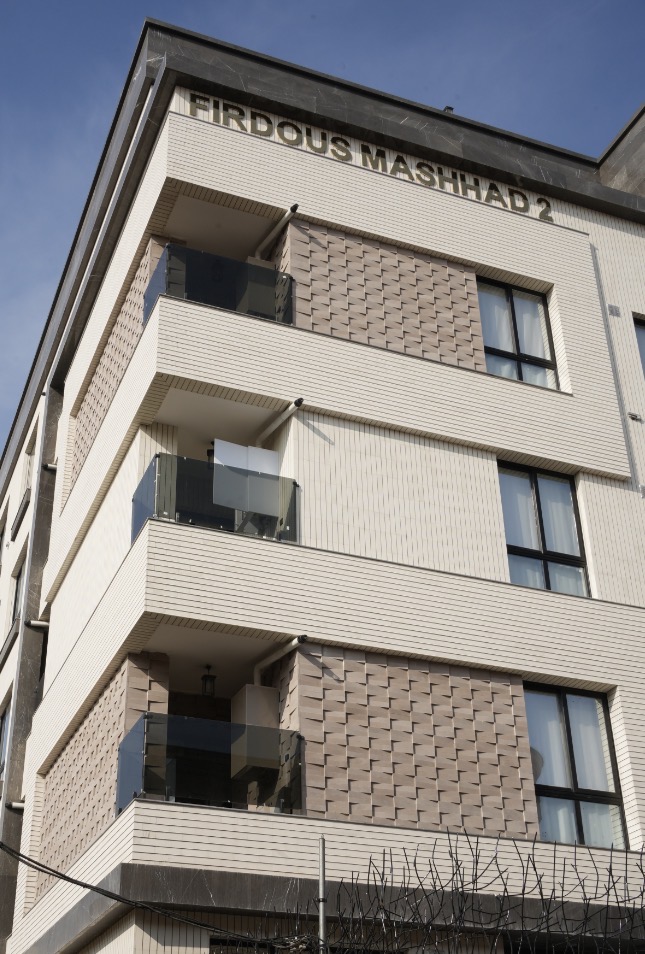
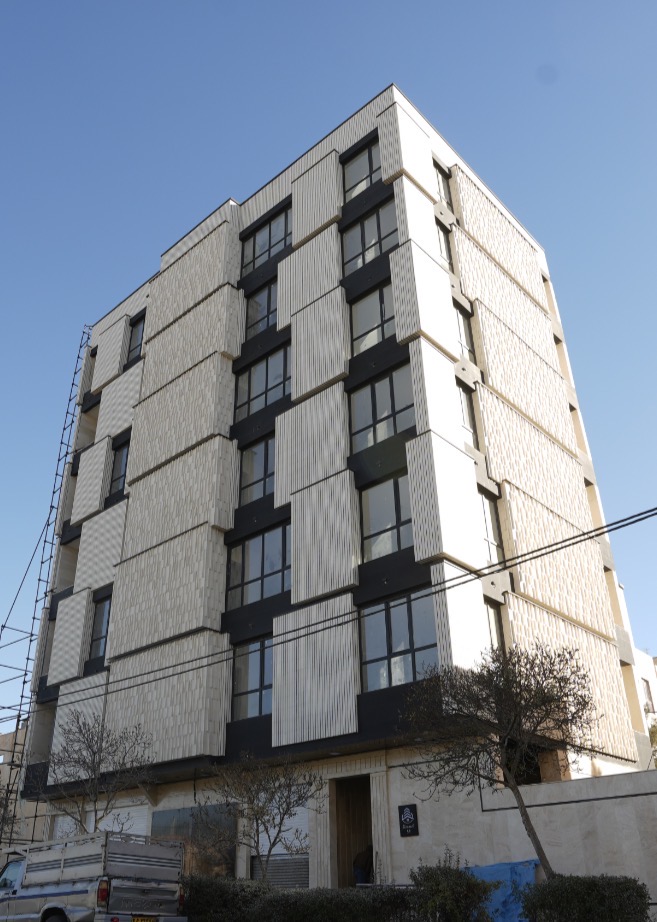
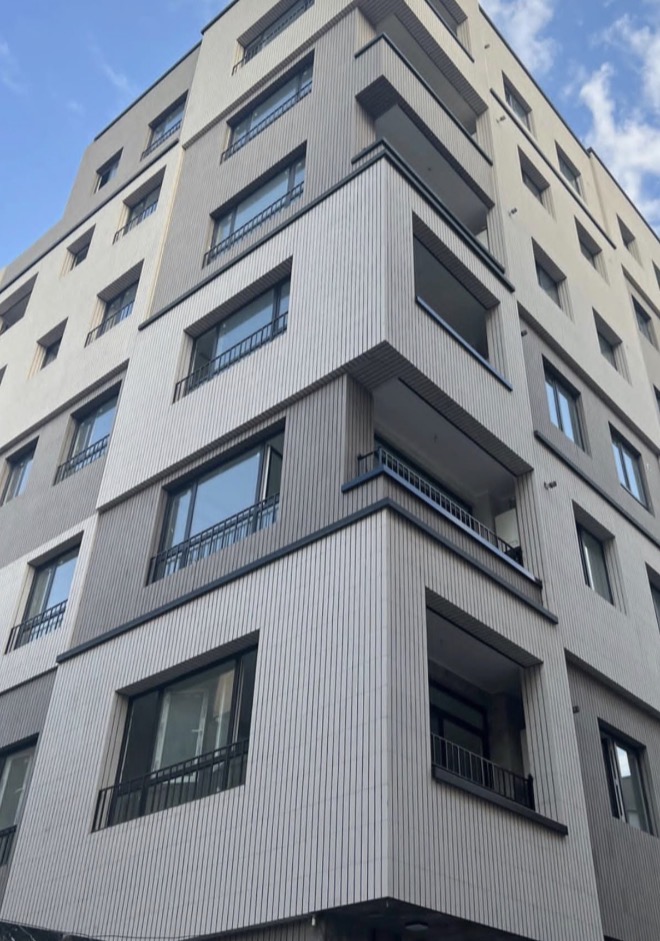
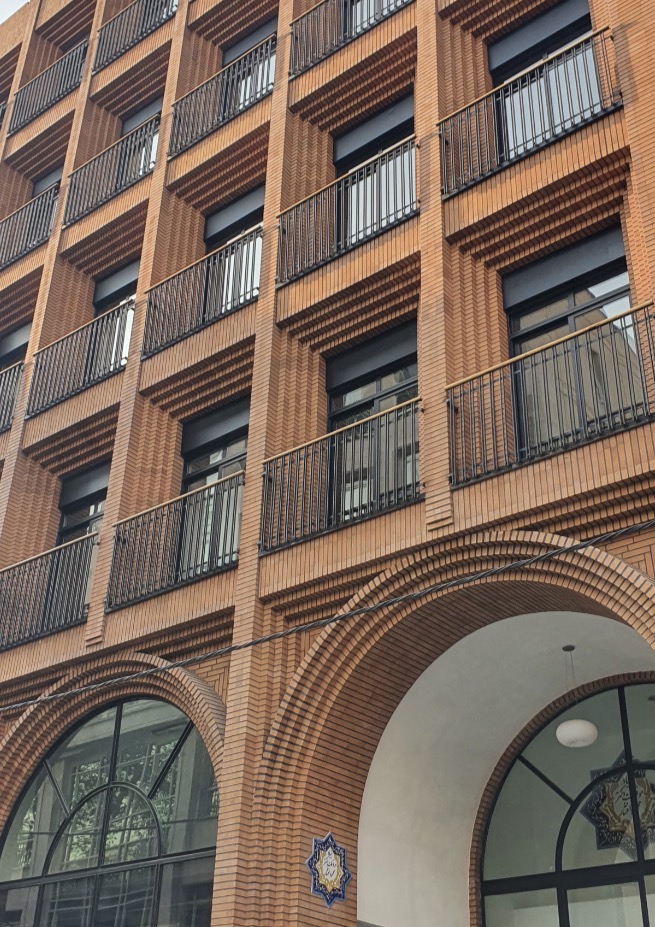
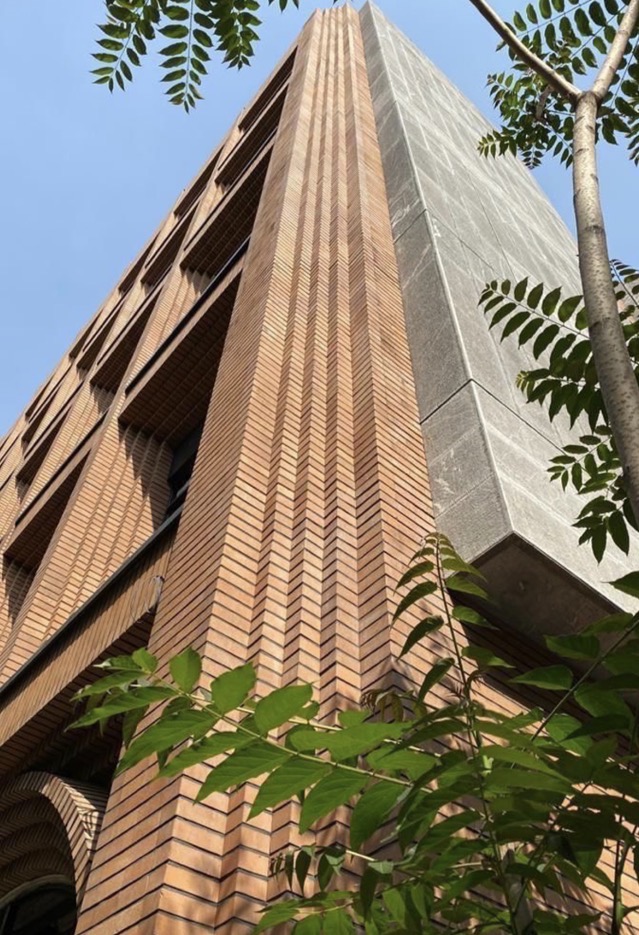
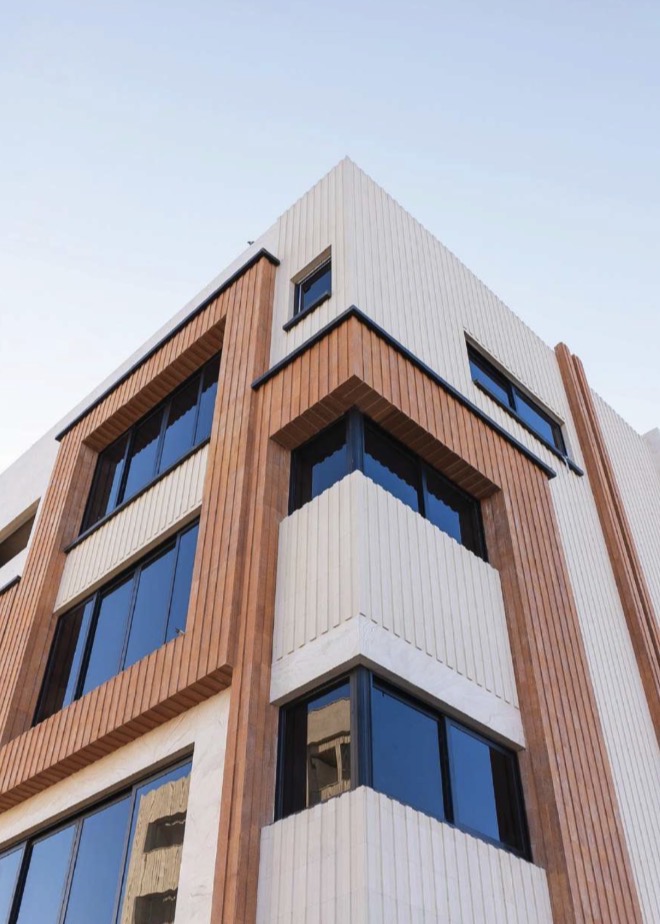
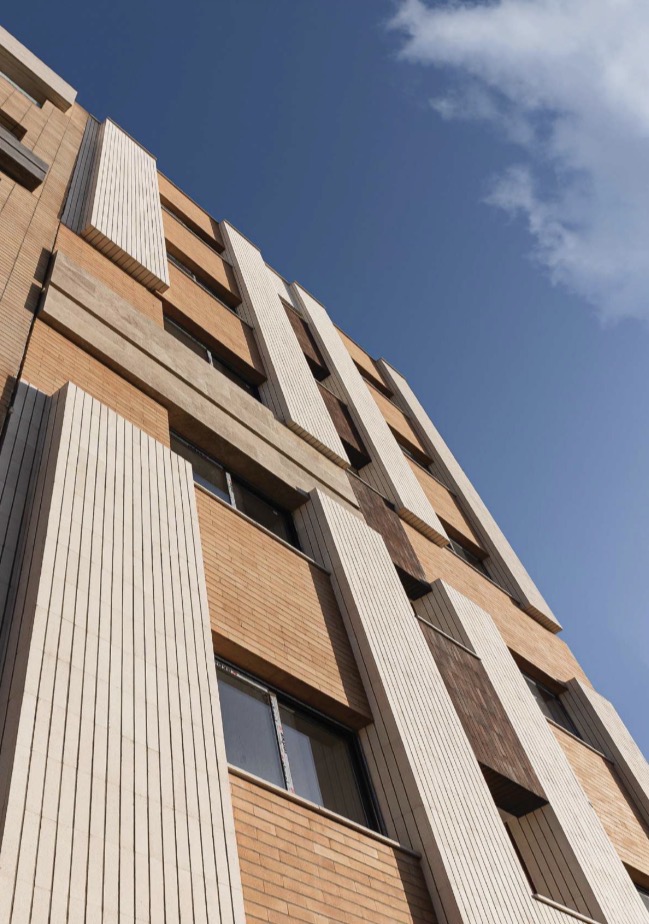
Refractory facing brick is one of the most advanced and popular materials in facade construction. Thanks to its unique technical and aesthetic properties, it has gained significant attention from architects and building designers.
These bricks are manufactured from a combination of refractory clay and special minerals, fired at extremely high temperatures. This process results in exceptional thermal, chemical, and mechanical resistance.
Technical Features and Advantages of Refractory Facing Bricks
One of the most important characteristics of refractory facing bricks is their high resistance to extreme temperature changes and various weather conditions. This makes them an ideal choice for exterior building facades.
Other key advantages include:
- High resistance to heat and fire
- Low water and moisture absorption
- Resistance to stains and pollution
- Easy maintenance and long service life
- Long-term color and shape stability
These combined features make refractory bricks a reliable option for high-traffic areas and outdoor environments.
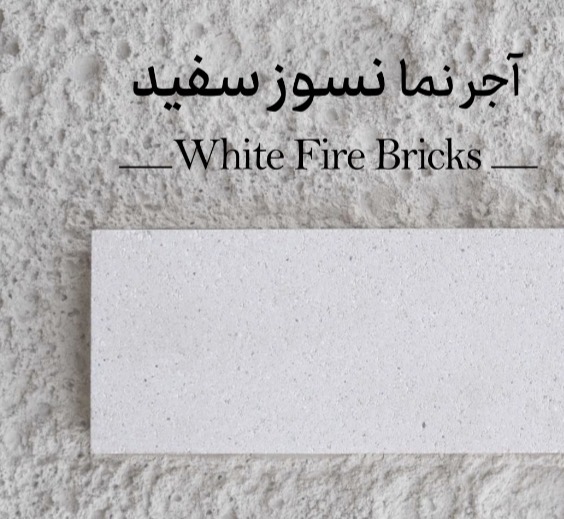
White Refractory Facing Brick: Simplicity Meets Modern Architecture
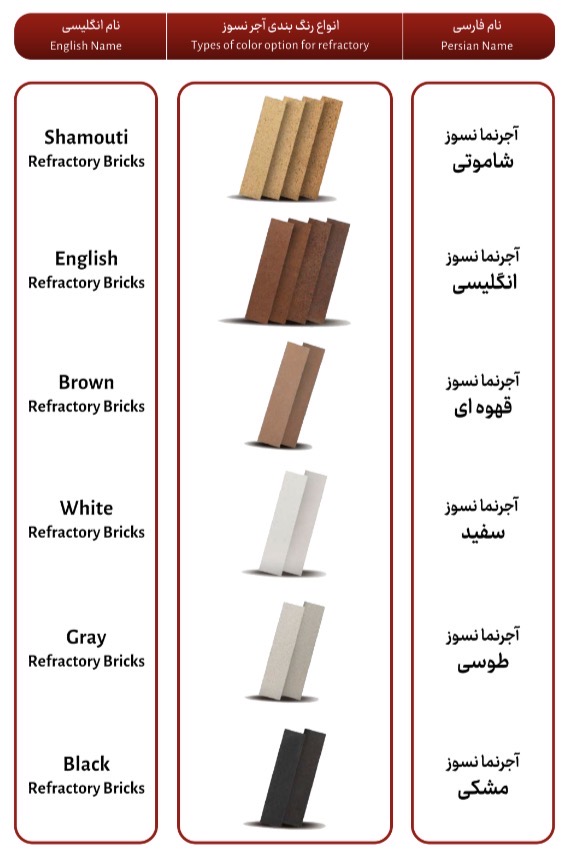
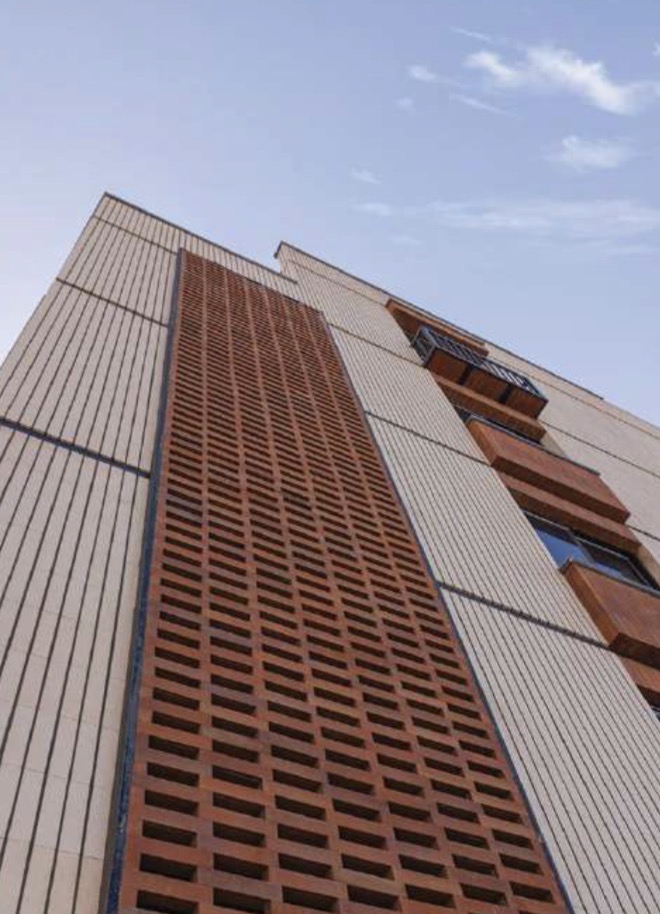
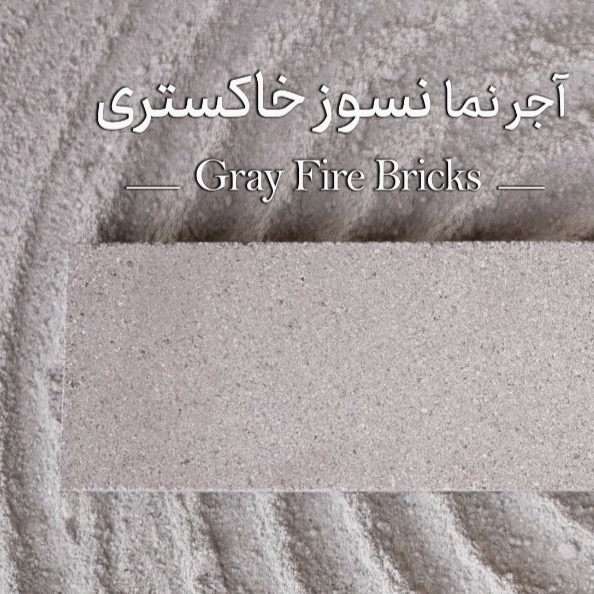
White refractory facing brick is one of the most widely used materials in modern and minimalist facade design. These bricks are typically made from materials such as silica, feldspar, and other heat-resistant minerals, and are produced in white, cream, and sandy color ranges.
Key features of white refractory bricks include:
- Exceptional resistance to heat and fire
- Smooth and uniform surface
- Suitable for both modern and classic facades
- Contribution to building energy efficiency
This type of brick is available in various shades such as white, gold, gray, and even black, making it a sustainable choice for contemporary buildings.
English Brick: Authenticity, Warmth, and Durability
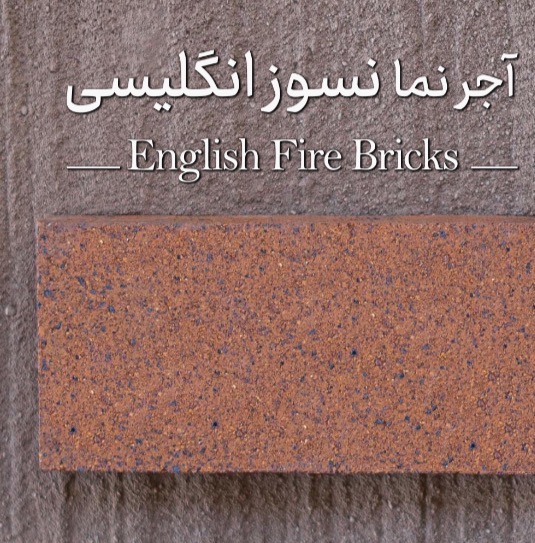
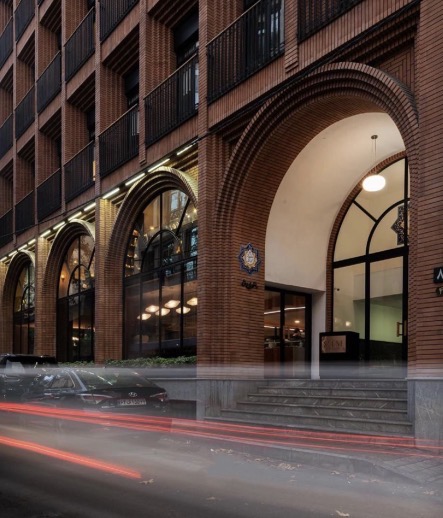
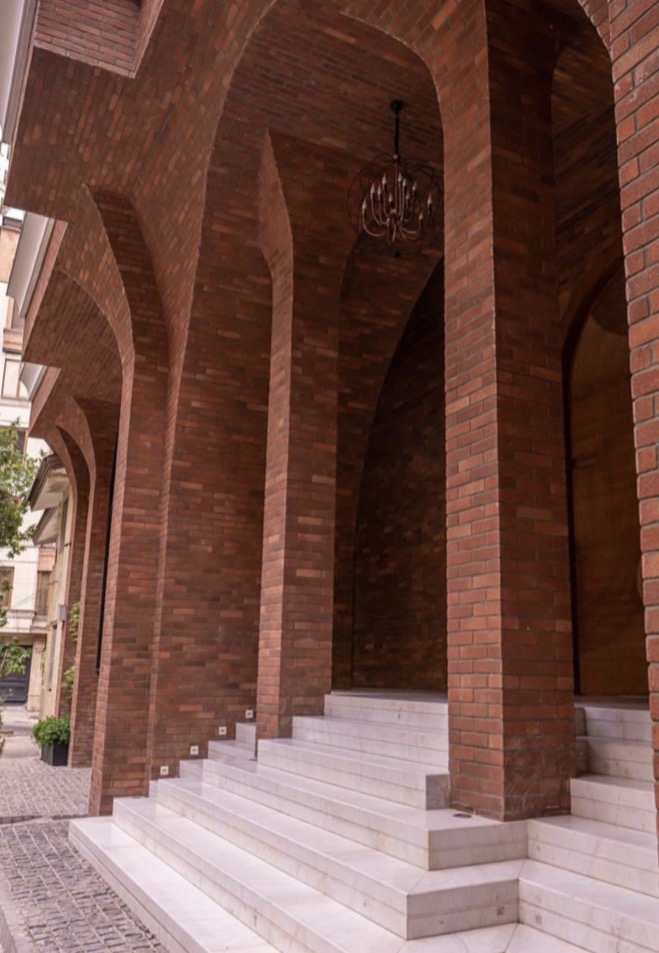
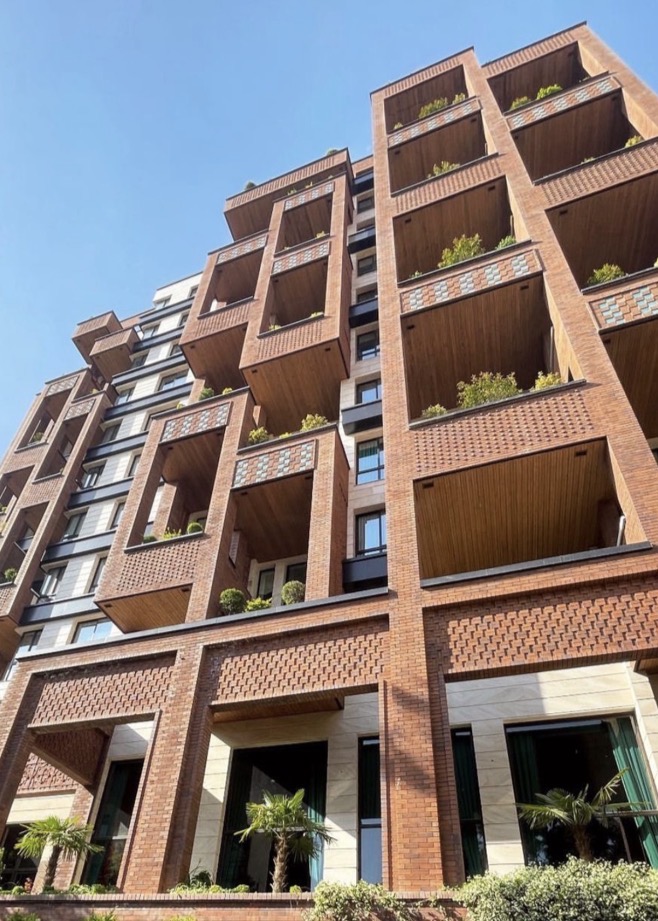
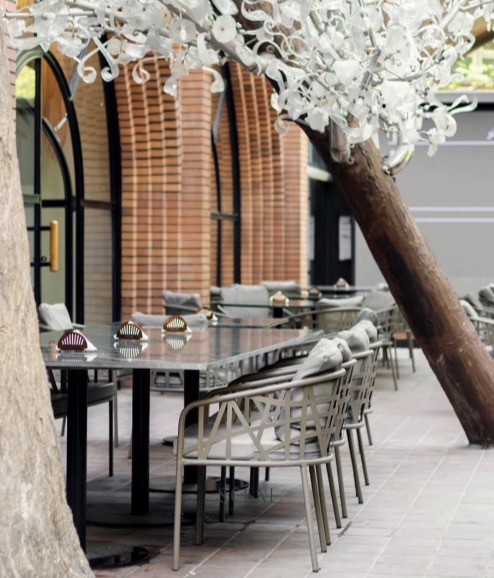
English facing brick originates from traditional British architecture, where red bricks have been widely used due to the abundance of iron oxide mines.
This brick style was introduced to Iran around 80 years ago, initially used in the city of Abadan, and gradually became popular throughout the country.
Key features of English brick:
- Adds warmth and authenticity to buildings
- Popular in countries such as Germany, Spain, Italy, and Russia
- Creates a distinctive and classic facade appearance
Shamoti Refractory Facing Brick: High Durability in Harsh Conditions
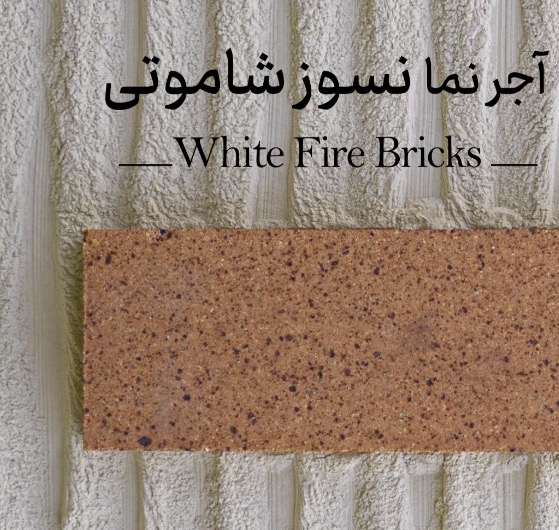
Shamoti refractory facing brick is one of the most durable types of facing bricks, produced from white or cream refractory clay.
It offers excellent resistance to expansion and contraction caused by temperature fluctuations, significantly reducing the risk of cracking or breakage.
Features of Shamoti bricks:
- High resistance to heat and fire
- Resistant to water, moisture, and UV radiation
- Long-term color stability
- Suitable for both exterior and interior facades
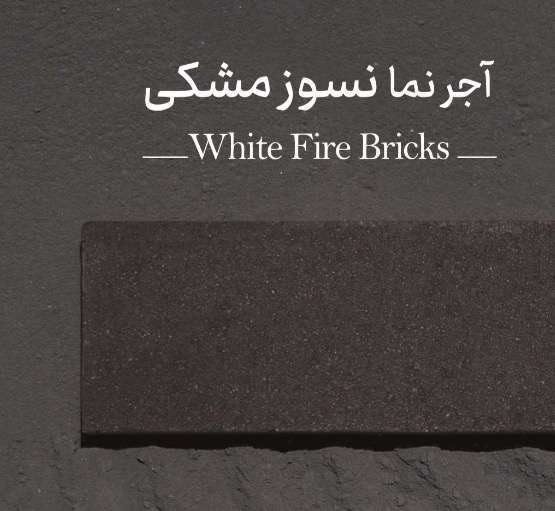
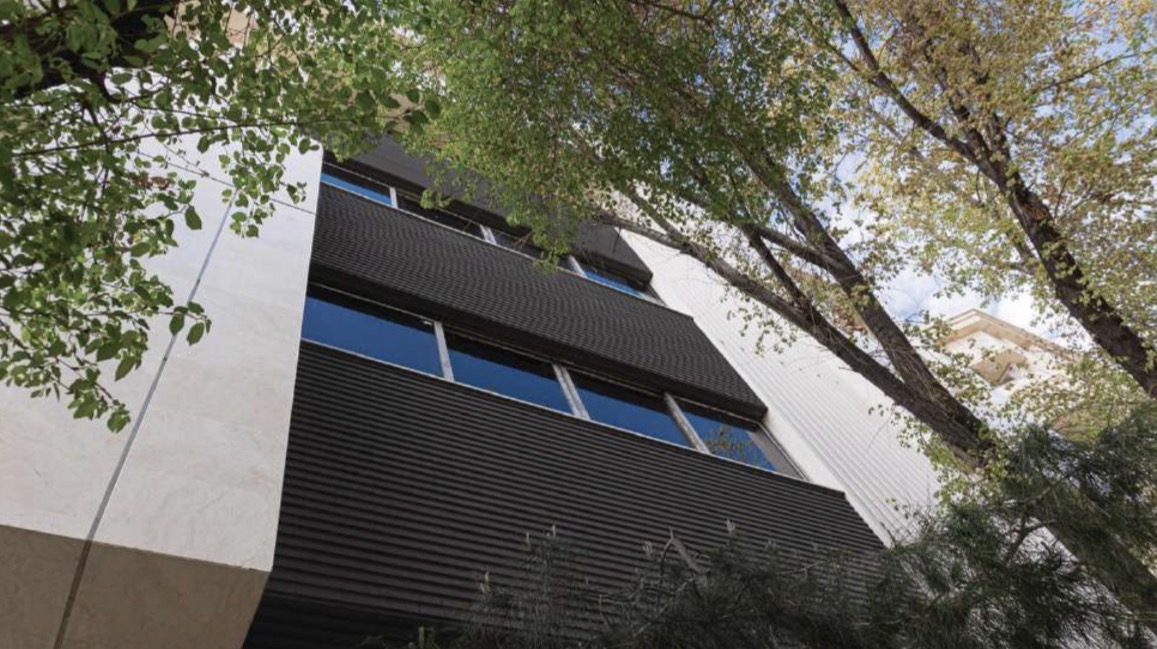
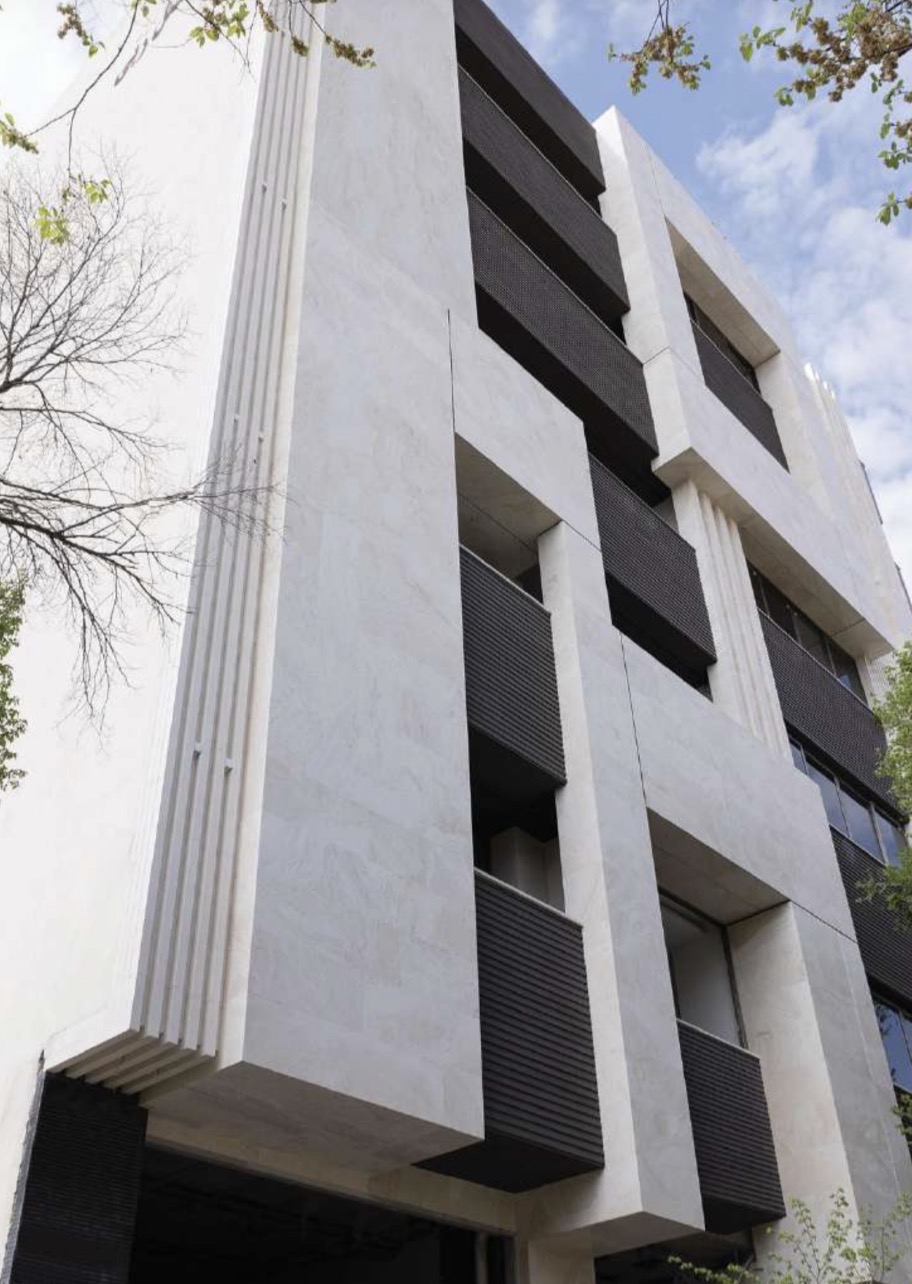
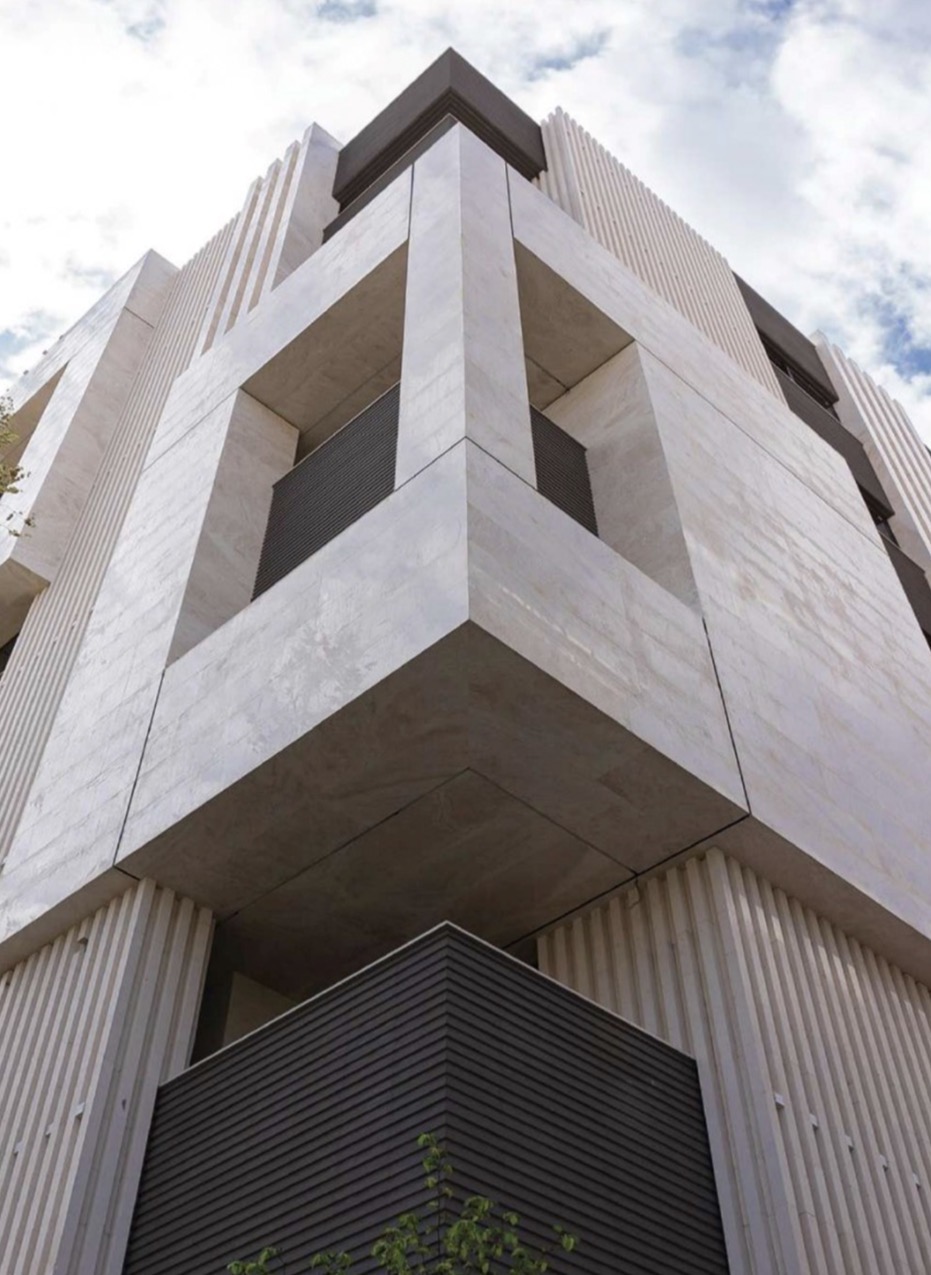
Black Refractory Facing Brick: A Luxurious and Distinctive Look
Black refractory facing brick is a popular choice in modern and luxury architecture. These bricks are fired at very high temperatures using special mineral clays, resulting in a dense and highly durable structure.
Advantages of black refractory bricks:
- Strong visual contrast and high aesthetic appeal
- Modern and distinctive appearance
- More cost-effective than black natural stone
- Retains all thermal and durability properties of refractory bricks
Bricks naturally have low thermal conductivity and act as effective thermal insulators. Refractory facing bricks can withstand extremely high temperatures (above 1000°C) and show excellent resistance to thermal shock.
Thermal Properties of Refractory Bricks
- High heat capacity
- Reduced heat transfer
- Color and shape stability under sunlight
- High durability in various environmental conditions
Dry Facade System: A Modern Installation Method
Dry facade is a modern facade construction system in which no mortar or slurry is used. In this method, facade materials are mechanically fixed to the building structure, creating a ventilated gap between the facade layer and the main wall for insulation and airflow.
Advantages of dry facade systems:
- Increased facade durability
- Reduced building weight
- Easy maintenance and repair
- Compatibility with materials such as brick, stone, ceramic, and composite panels
Specialized Services of Azizabadi Refractory Bricks
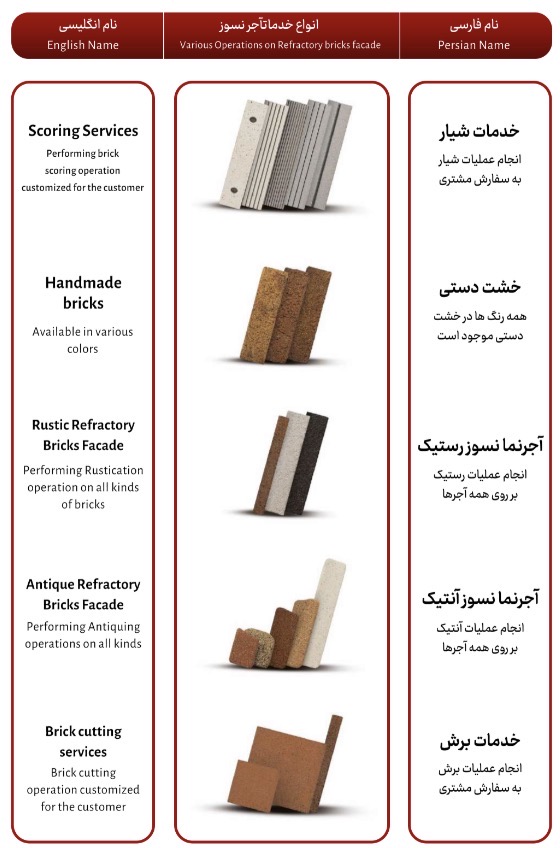
Azizabadi refractory brick factory offers a wide range of specialized services using advanced machinery, including:
- Rustic and antique finishes
- Grooves of 4, 8, and 15 mm
- Multiple groove lines (1 to 8 lines)
- Precise and uniform brick cutting
- Machine-made antique edge bricks
All services are performed with high precision and consistency to ensure superior quality and visual appeal.
Conclusion
With its combination of beauty, durability, thermal resistance, and color variety, refractory facing brick is one of the best options for interior and exterior building facades. The diverse products and specialized services offered by Azizabadi make it possible to choose a precise and professional solution for any architectural style, from classic to modern.